

self-centred craving : ค้นหาหนังสือธรรมะ หน้า 2 / 33
หน้าหนังสือทั้งหมด
54
Understanding the Origin of Suffering in Buddhism
2.2 The Origin of Suffering as a Cause
In explaining the Origin of Suffering, the Buddha intended to make clear that the suffering experienced by living beings has craving as its cause. As soon as the
In this examination of the Buddha's teachings, the Origin of Suffering is explained as being rooted in craving, which leads to a cycle of suffering. The relationship between the Origin of Suffering an
79
The Noble Truth of the Origin of Suffering
The Noble Truth of the Origin of Suffering
After explaining the Noble Truth of Suffering, Lord Buddha continued with an explanation of the origin of suffering. He pointed to craving as the origin of
In this teaching, the Buddha elaborates on the origin of suffering, identifying craving as the root cause. This craving for rebirth keeps beings trapped in a continuous cycle of existence, experiencin
245
Understanding Pathama Magga and Associated Concepts
Pathama Magga (a level of *phötthabba tanhä* (tactile craving: meditational attainment, synonymous with "Initial Path", *phötthabba vicāra* (tactile discursive thought: see sense discursive thought: s
This text delves into the intricate concepts surrounding Pathama Magga in Buddhist teachings. It includes various terms such as tactile craving (*phötthabba tanhä*), tactile thought conception (*phött
231
Exploring Self-Mortification and Sensual Indulgence
self-mortification 19, 27, 35-7, 103, causes lamentation 32; causes one
105, 194-5: dominates contemporainary spiritual thought 194-5; examples of practice 35; fruitless 19; {metaphors, grasshopper le
This text discusses the concepts of self-mortification and sensual indulgence. It elaborates on the causes and consequences of self-mortification, which often leads to lamentation and spiritual harm.
224
Insights on Suffering and Enlightenment
execution, suffering of at death 68
Existence, Cycle of 9, 16, 37, 178, 185-6
extinction of craving, transcendental 100, 115, 175
Extinction of Suffering, Noble Truth of(see Cessation of Suffering, No
This text delves into pivotal Buddhist doctrines centered around suffering and enlightenment. It discusses the cycle of existence and the importance of overcoming craving. With references to meditativ
246
Fundamental Concepts in Buddhist Psychology
rasa-saṅchetana (gasticatory volition: see sense volition)
rasa-saṃnā (gasticatory sense registration: see sense registration)
rasa-tanḥa (gasticatory craving: see sense craving)
rasa vicāra (ga
This text elaborates on significant concepts in Buddhist psychology, including gasticatory and visual perceptions such as rasa (taste) and rūpa (form). It addresses terms like gasticatory volition, se
230
Insights into Buddhist Teachings
…-body 107
selection of first disciple, Buddha's principle for, 191-3
self, true-, Dhammakaya as 110
self-centred craving 49
self-discipline 103, 105, 106, 107, 116, 132: higher training in 20; sphere of 105, 106, 107, 12…
This text discusses various Buddhist concepts such as Kondaṇña's role in understanding Right View and the importance of loving kindness and self-discipline in achieving liberation. It highlights examp
92
Understanding the Nature of Craving and the Physical Body
desire and carried away by their craving, and who do nothing but please themselves, never remove themselves from craving. Like the spider which spends its whole life in its web. If the spider were wis
The text discusses how craving ensnares individuals, likening them to a spider trapped in its web. It emphasizes the wise perspective on the body as impermanent and filled with impurities, urging a me
232
Exploration of Metaphors in Buddhist Philosophy
snake, poisonous, mistaken for rope spire, a palace - {metaphor for Mid-
- {metaphor for self-mortification dle Way 38-9} 36}
spouses, categories of 154-6
snake - {metaphor for craving 88}
sprite, ear
This text explores several metaphors used in Buddhist philosophy, including the snake as a metaphor for craving and its relationship to the concept of suffering. It further elaborates on the significa
229
Exploring Key Buddhist Concepts and Practices
Phramonkothpumuni: emphasises practice 12; explains "dhammikāya" and "āyatannibbāna" 102; founder of Dhammakāya Tradition 102; respected commentarian 102-3; sixteen tasks of 207 physical deeds, wholes
This text delves into various aspects of Buddhist philosophy, focusing on the teachings and practices associated with the Dhammakāya Tradition founded by Phra Mongkothpumuni. It highlights the signifi
225
Metaphors and Teachings on Suffering and Generosity
gardener removing weeds by the house-[metaphor for body 65]: inscure, [metaphor for Buddha's practice 95]
generosity 132
ghosts, hungry 34: realm of the, suffering of birth in 63
gossip, malicious (se
This text delves into various Buddhist concepts, including the metaphor of a gardener removing weeds representing the body, and insights into craving, suffering, and the consequences of sensual indulg
14
Building a Trustworthy Family
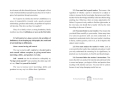
involvement with this distrustful person. Good people will not
want to befriend dishonest people because they do not want to
gain a bad reputation through association.
So if a person in a family does
The text emphasizes that honesty and self-control are essential for a trustworthy family environment. Good people avoid associations with dishonesty. A family lacking truthfulness cultivates suspicion
14
Building Strong Family Foundations Through Truthfulness and Self-Control
involvement with this distrustful person. Good people will not want to befriend dishonest people because they do not want to gain a bad reputation through association.
So if a person in a family does
This text discusses the importance of truthfulness (sacca) and self-control (dama) in family dynamics and personal growth. It emphasizes that individuals with a lack of truthfulness can create distrus
62
Understanding Buddhist Concepts: Key Terms and Definitions
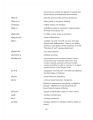
phenomena; outside the sphere of natural law; supernatural (unexplainable phenomena)
อดิษฐาน past life; previous life; previous existence
อทินนนทาน taking what is not given; stealing
อทุกขมสุข neither
This text presents key Buddhist concepts such as 'อนัตตา' (non-self), emphasizing that there is no lasting essence, only the illusion of self that causes attachment. It discusses 'อนิจจตา' (impermanen
39
Understanding Self-Mortification in Buddhism
It is for this reason that the Lord Buddha should want to start his sermon by instructing the ‘group of five’ that indulgence of the senses is unsuitable, base, ignoble, without benefit, unsuitable fo
In this text, Lord Buddha teaches that indulgence of the senses is unsuitable for a Buddhist monk and should be avoided. The practice of self-mortification, common among non-Buddhist ascetics, include
30
Untitled
28 : Universal Goodness
Without bearing in mind the true purposes of one's clothing,
one tends to buy clothing articles on impulse and without thought.
One tends to follow the latest fashion trends i
No summary can be generated due to lack of content.
55
ความหมายและการปฏิบัติสมาธิในพุทธศาสนา
สมาธิคือการเก็บใจเอาไว้ในตัว
สมานดตา
สมาบัติ
สมาธิ
สมุห์าย
สรณะ
สร้างความดี
สร้างบารมี
สร้างบุญ
สร้างบุญบารมี ได้ลอดรอดฝัง
สร้างวัดให้เป็นวัด สร้างพระให้เป็นพระและสร้างคนให้เป็นคนดี
สวดปฏิสังขรณ์
สวดพ
เนื้อหานี้กล่าวถึงความสำคัญของสมาธิในการพัฒนาจิตใจ โดยการสร้างบารมีและทำความดี นอกจากนี้ยังอธิบายเกี่ยวกับการประกอบศาสนกิจ เช่น สวดมนต์ และการสร้างวัดให้เป็นสถานที่สักการะ เพื่อส่งเสริมความดีและสร้างค
12
Understanding Craving in Buddhism
12
I have permitted you to take the robe and divide it among you."
The Buddha continued, "Craving is, indeed, a grievous matter among living beings here in the world. Even as rust which springs from
The Buddha emphasizes that craving is a significant source of suffering in the world. Just as rust deteriorates iron, craving corrodes the essence of living beings, leading to negative consequences su
100
Understanding Sensual Attachments in Practice
previous factors — senses, sense objects and sense-con- sciousness — is implicated in the attachment we have to sensual pleasures. Again, each of the six senses has its own channel of sense-contact th
This text explores the relationship between the six senses and their respective sense contacts, feelings, perceptions, and volition, emphasizing the need for practitioners to extinguish craving associ
117
The Noble Truth of the Cessation of Suffering
The Noble Truth of the Cessation of Suffering: A Conclusion
The Lord Buddha taught that the cessation of suffering can
be effected by extinguishing all craving through the prac-
tice of the Noble Eigh
The conclusion on the cessation of suffering according to the Buddha highlights the need to extinguish craving through the Noble Eightfold Path. Once craving is eliminated, suffering cannot return. Ou